


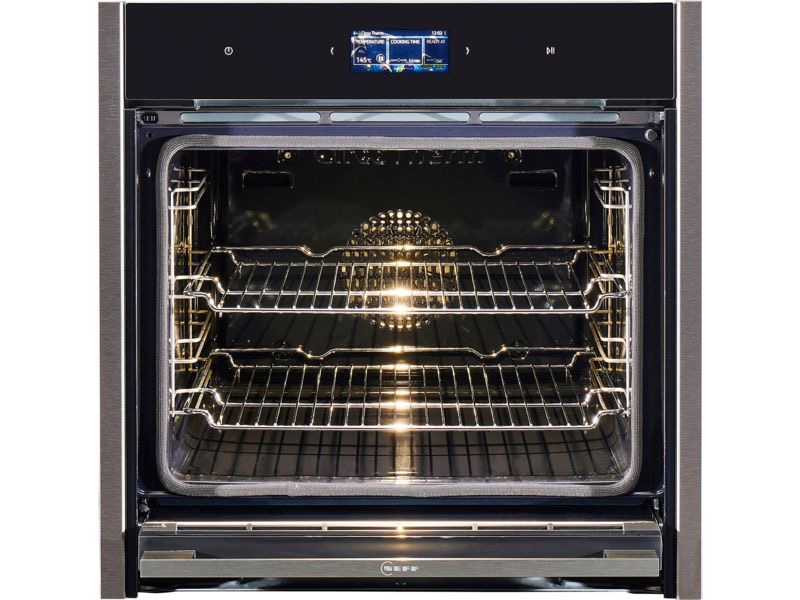
A broken oven or cooker throws a massive wrench into family life. Instead of enjoying hot, home-cooked meals, you are suddenly left relying on takeaways or microwaves.
Because cooking appliances handle exceptionally high electrical currents and generate intense heat, their safety components, heating elements, and internal wiring are subjected to constant thermal stress. Over time, parts naturally wear out or break down entirely.
Below, we detail the five most common cooker and oven problems homeowners experience and explain exactly how a professional appliance repair engineer safely diagnoses and resolves them.
1. The Oven Fan Runs, but There Is No Heat
What you experience: You turn the oven on, the indicator light illuminates, and you can hear the internal fan spinning—but the air inside remains completely cold.
How We Solve This:
- Replacing a Blown Fan Element
- The circular heating element wrapped around the fan is the primary source of heat in a modern fan-assisted oven. Over time, the internal wire filament can burn out, often causing a physical split or hot spot on the ring. We will check the element’s resistance with a multimeter and replace it if the circuit is broken.
- The circular heating element wrapped around the fan is the primary source of heat in a modern fan-assisted oven. Over time, the internal wire filament can burn out, often causing a physical split or hot spot on the ring. We will check the element’s resistance with a multimeter and replace it if the circuit is broken.
- Inspecting Conventional Grill or Base Elements
- If the top or bottom elements fail in a conventional oven, it will lead to uneven cooking or no heat at all. We will systematically test each individual heating element for electrical continuity.
2. The Oven Overheats and Burns Everything
What you experience: Even when you set the dial to a low temperature, the oven gets incredibly hot, burning your food within minutes and turning the inside into a furnace.
How We Solve This:
- Replacing a Faulty Thermostat
- The thermostat regulates the cooking climate inside the appliance. It uses a sensor bulb inside the cavity to monitor the heat; once the set temperature is reached, it tells the elements to cycle off. If the thermostat fails or its contacts fuse together, the elements receive continuous power. We will test the thermostat functionality and replace the assembly.
- The thermostat regulates the cooking climate inside the appliance. It uses a sensor bulb inside the cavity to monitor the heat; once the set temperature is reached, it tells the elements to cycle off. If the thermostat fails or its contacts fuse together, the elements receive continuous power. We will test the thermostat functionality and replace the assembly.
- Checking the Cooling Fan Mechanism
- Many modern built-in ovens have a secondary, hidden cooling fan that protects the electronic control panels from overheating. If this fan fails, the internal temperatures can spike dangerously.
3. The Appliance Blows the Household Fuses/Trips the Electrics
What you experience: The moment you switch the oven dial on or turn on a specific hob ring, your entire house is plunged into darkness as the main RCD (Residual Current Device) trips in the fuse board.
How We Solve This:
- Isolating an Earth Fault in a Element
- As heating elements degrade, their outer protective casing can develop micro-cracks. Moisture enters these cracks and causes an electrical short directly to the earth wire. We will perform an insulation resistance test to pinpoint exactly which element is leaking current.
- As heating elements degrade, their outer protective casing can develop micro-cracks. Moisture enters these cracks and causes an electrical short directly to the earth wire. We will perform an insulation resistance test to pinpoint exactly which element is leaking current.
- Checking for Burnt Internal Wiring
- High temperatures can cause internal wire insulation to become brittle and crumble away. We will check the internal wiring harness, terminal blocks, and selector switches for any exposed wires that are shorting against the metal chassis.
4. Uneven Cooking or Loud Noises During Operation
What you experience: Your cakes are rising on one side but flat on the other, or the oven makes a loud, vibrating, or screeching noise as soon as it begins to warm up.
How We Solve This:
- Servicing the Fan Motor
- The bearings inside the oven fan motor can dry out or become clogged with airborne grease over years of cooking. This causes the fan to slow down or screech loudly. We will inspect the motor spindle for play, clean the blades, or replace the entire fan motor unit if the bearings have seized.
- The bearings inside the oven fan motor can dry out or become clogged with airborne grease over years of cooking. This causes the fan to slow down or screech loudly. We will inspect the motor spindle for play, clean the blades, or replace the entire fan motor unit if the bearings have seized.
- Inspecting Door Hinges and Seals
- If the oven door doesn’t close perfectly flat, hot air will escape from the top or sides. This causes cold spots inside the oven, leading to uneven baking. We will replace worn door hinges or install a fresh rubber door gasket to restore a proper seal.
5. The Digital Display Is Dead or Cooker Rings Won’t Work
What you experience: The oven clock display is completely blank and the oven won’t turn on, or specific ceramic/induction hob zones refuse to heat up.
How We Solve This:
- Setting or Overriding the Digital Timer
- Many modern electronic ovens will completely disable the heating circuits if the digital clock is not set (such as after a power cut). We will verify if the clock module is functioning or if it has entered an automatic lock mode.
- Many modern electronic ovens will completely disable the heating circuits if the digital clock is not set (such as after a power cut). We will verify if the clock module is functioning or if it has entered an automatic lock mode.
- Testing Selector Switches and Commutators
- The control knobs behind the fascia panel change the electrical pathways to deliver different heat settings. If the internal contacts inside these rotary switches spark and burn out, power won’t reach the hobs or oven. We will test and swap out the faulty switch block.
⚠️ Cooking Appliance Safety
Electric cookers and ovens operate on dedicated, high-voltage circuits (often pulling 30 to 45 amps of current). This makes them incredibly dangerous to work on without professional training. Incorrect wiring or poor connections can lead to electrical fires, permanent damage to your home’s main consumer unit, or severe electric shocks. Always depend on a qualified, insured engineer to handle these high-powered appliances safely.