


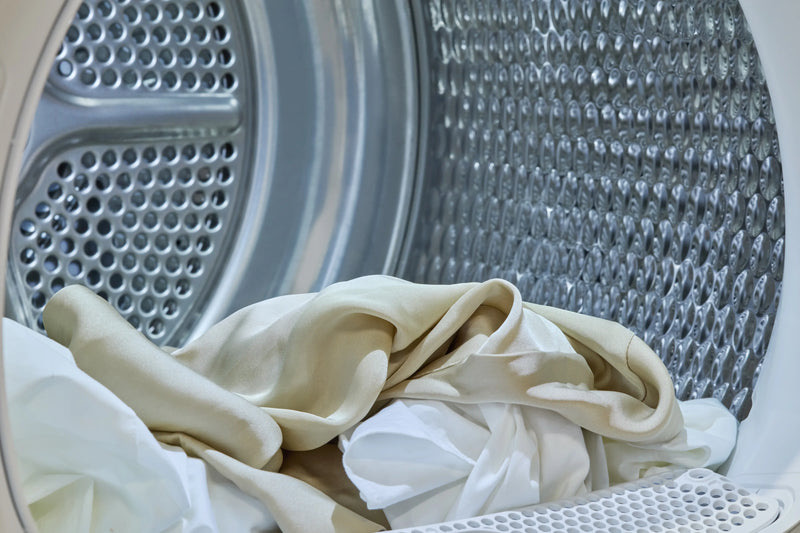
Whether you have a standalone tumble dryer or a space-saving combination washer dryer, these appliances are essential for keeping your household running smoothly—especially during the colder, wetter months.
When a dryer breaks down, it usually leaves you with piles of damp laundry draped over radiators and a major disruption to your day. Because modern dryers rely on high-powered heating elements, complex airflow pathways, and precise moisture sensors, a single component failure can cause the whole system to fail or cut out for safety.
Below, we look at the five most common tumble dryer and washer dryer problems and detail exactly how a professional appliance repair engineer safely diagnoses and fixes them.
1. The Dryer Runs but Produces No Heat
What you experience: The drum turns and the machine goes through the motions, but the air inside stays cold, leaving your laundry soaking wet after a full cycle.
How We Solve This:
- Testing and Resetting the Thermal Fuse/Thermostat
- Dryers have built-in safety thermostats designed to cut power if the internal temperature gets too high (often due to blocked lint filters). We will locate these components, test them for continuity, and reset or replace them if they have tripped or failed.
- Dryers have built-in safety thermostats designed to cut power if the internal temperature gets too high (often due to blocked lint filters). We will locate these components, test them for continuity, and reset or replace them if they have tripped or failed.
- Inspecting the Heating Element
- The heating coil itself can burn out over time due to wear or restricted airflow. We will check the element with a multimeter; if the circuit is broken, a new high-quality heating assembly will be installed.
- The heating coil itself can burn out over time due to wear or restricted airflow. We will check the element with a multimeter; if the circuit is broken, a new high-quality heating assembly will be installed.
- Checking Condenser Fan Motors (for Condenser & Washer Dryers)
- In condenser systems, a fan must push air across the heating assembly. If this fan motor seizes, heat won’t circulate. We will check the motor functionality and verify the wiring connections.
2. The Drum Will Not Turn
What you experience: You can hear the motor humming or the timer ticking down, but the inner drum remains completely stationary.
How We Solve This:
- Replacing a Snapped Drive Belt
- The most frequent culprit behind a static drum is a broken drive belt. Because the belt wraps tightly around the entire circumference of the heavy drum, it undergoes immense stress. We will dismantle the necessary casing panels to thread and tension a brand-new belt.
- The most frequent culprit behind a static drum is a broken drive belt. Because the belt wraps tightly around the entire circumference of the heavy drum, it undergoes immense stress. We will dismantle the necessary casing panels to thread and tension a brand-new belt.
- Checking the Jockey Wheels and Pulleys
- The drive belt relies on tension pulleys (jockey wheels) to stay aligned. If these plastic wheels wear out or seize, the belt can snap or slip off. We will inspect and replace worn pulleys to ensure smooth rotation.
- The drive belt relies on tension pulleys (jockey wheels) to stay aligned. If these plastic wheels wear out or seize, the belt can snap or slip off. We will inspect and replace worn pulleys to ensure smooth rotation.
- Testing the Motor Capacitor
- If the motor hums but lacks the strength to turn a heavy load of wet clothes, the start capacitor is often to blame. We will test and replace the capacitor to restore the torque needed to turn the drum.
3. The Appliance Makes a Loud Banging, Grinding, or Screeching Noise
What you experience: As soon as the cycle starts, the machine emits a deafening squeal, a persistent metallic grinding sound, or a heavy structural thumping noise.
How We Solve This:
- Replacing Worn Drum Bearings
- The rear of the drum rotates on a central bearing spindle. When this bearing loses its lubrication or wears down, it creates a loud, low-pitched rumbling or grinding noise. The engineer will replace the bearing kit to quieten the machine.
- The rear of the drum rotates on a central bearing spindle. When this bearing loses its lubrication or wears down, it creates a loud, low-pitched rumbling or grinding noise. The engineer will replace the bearing kit to quieten the machine.
- Inspecting Support Rollers and Felt Pads
- The front edge of the drum sits on rubber support rollers or glides along teflon felt strips. If these wear away, the metal drum rubs directly against the front panel casing. The engineer will replace these pads or rollers to stop the scraping.
- The front edge of the drum sits on rubber support rollers or glides along teflon felt strips. If these wear away, the metal drum rubs directly against the front panel casing. The engineer will replace these pads or rollers to stop the scraping.
- Extracting Trapped Objects
- Loose items like coins, keys, or bra wires can slip through the gaps in the drum paddles and rattle violently between the drum casing and the outer panels. The engineer will systematically locate and extract the debris.
4. Clothes Are Left Damp (Sensor Drying Issues)
What you experience: The machine features an “auto-dry” or sensor program, but it finishes prematurely, leaving your garments distinctly damp.
How We Solve This:
- Cleaning and Testing Moisture Sensors
- Modern intelligent dryers use metal sensor strips located inside the drum or near the lint filter to detect the humidity level of the clothes. If these strips become coated in a layer of fabric softener residue or limescale, they give false readings. We will test their electrical resistance and thoroughly clean them.
- Modern intelligent dryers use metal sensor strips located inside the drum or near the lint filter to detect the humidity level of the clothes. If these strips become coated in a layer of fabric softener residue or limescale, they give false readings. We will test their electrical resistance and thoroughly clean them.
- Clearing Airflow Blocks
- If air cannot flow freely, moisture stays trapped inside the drum. We will inspect the internal ducting, clean out packed lint that a normal user cannot reach, and check that external venting or heat exchanger matrices are completely clear.
5. Specific Washer Dryer Faults: Won’t Dry at All After Washing
What you experience: The appliance washes perfectly, but when it automatically switches over to the drying cycle, it either halts with an error code or leaves the clothes dripping wet in a warm, humid drum.
How We Solve This:
- Unblocking the Condenser Chamber
- Washer dryers use cold water to condense the moisture out of the hot air during the drying phase. Lint from the washing cycles can wash into this narrow condenser chamber and clog it completely. We will manually flush and clear this chamber to restore condensation efficiency.
- Washer dryers use cold water to condense the moisture out of the hot air during the drying phase. Lint from the washing cycles can wash into this narrow condenser chamber and clog it completely. We will manually flush and clear this chamber to restore condensation efficiency.
- Testing the Diverter Valve and Dual Pump Assemblies
- These combination units rely on specific valves to control the separate flow of wash water and drying condensation water. We will test the diverter systems and check that the drain pump clears out the condensed water continuously during the dry cycle.
⚠️ Crucial Safety Warning
Tumble dryers and washer dryers generate a significant amount of heat and pull high electrical currents. Debris accumulation inside the hidden internal casings is a primary cause of domestic appliance fires. Attempting to repair heating elements, sensors, or motors without technical training creates severe electrical and safety hazards. Always leave internal diagnostics and component replacements to a certified engineer.